Wealthy Pot
Breaking Money Myths That Hold You Back
Money shapes many aspects of our lives, from our daily decisions to our long-term goals. Despite its importance, countless myths and misconceptions prevent us from using our finances to their fullest potential. By trusting in these outdated or false beliefs, we risk missing out on opportunities to grow our wealth, achieve financial independence, and protect our future.
Below, we’ll look at some of the most pervasive money myths. We’ll explain why they’re misleading, how they can harm your financial well-being, and what you can do to move beyond them. Whether you’re just starting to take control of your money or you’ve been on a financial journey for years, debunking these myths can help you make more informed decisions, and ultimately, build a stronger financial foundation.
Myth 1: “If I Earn More, I’ll Automatically Save More”

Why This Myth Persists
Many people believe that having a bigger paycheck inherently leads to a more substantial savings account. The assumption is that a higher income reduces the burden of everyday expenses, leaving more room to set aside cash.
The Reality
A higher income doesn’t guarantee disciplined saving. Lifestyle inflation often kicks in when earnings increase: you buy a bigger house, a nicer car, or take more expensive vacations. Instead of saving more, you spend more. Most of these myths survive because nobody teaches the alternative; if you want to fix that properly, our list of the best personal finance books is grouped by what you are trying to learn.
How to Break It:
- Pay Yourself First: Automate transfers so a portion of each paycheck goes directly into savings or investments before you have the chance to spend it. For guidance on automating your finances, see the Consumer Financial Protection Bureau.
- Set Clear Goals: Define specific saving milestones. For instance, aim to save three to six months’ worth of living expenses in an emergency fund.
- Track Spending: Use budgeting apps or spreadsheets to track where your money goes, helping you make more intentional choices about your expenses.
Myth 2: “Budgeting Is Too Restrictive”

Why This Myth Persists
Some people compare budgeting to dieting: it feels like you’re forcing yourself to ‘cut out’ everything you enjoy. This negative perception stems from poorly structured budgets that feel more like a punishment than a plan.
The Reality
A budget is a tool for prioritization, not a limitation. It helps you align your spending with your values. When you create a realistic budget, you ensure money goes to what truly matters, whether that’s travel, hobbies, or building an emergency fund, while also keeping you from overspending on unimportant items.
How to Break It:
- Choose a Flexible Method: Opt for a 50/30/20 rule (50% needs, 30% wants, 20% savings/investments) or other frameworks that leave room for enjoyment. For more details, see Investopedia’s guide on budgeting.
- Incorporate Fun: Allocate a portion of your budget for entertainment, dining out, or other ‘fun’ categories. This balance prevents burnout and makes budgeting sustainable.
- Review & Adjust Regularly: A budget shouldn’t be static. Update it monthly or quarterly to reflect income changes, unexpected expenses, or evolving goals.
Myth 3: “I’m Too Poor to Invest”

Why This Myth Persists
Some believe that investing is only for the wealthy. They see headlines about million-dollar portfolios or focus on lofty minimum balances for certain financial products and assume investing is out of reach.
The Reality
Modern financial tools make investing accessible to virtually anyone with a few dollars to spare. Micro-investing apps and platforms let you buy fractional shares of companies, and many offer automated investing features. Starting small but early can have a profound impact over time due to compounding.
How to Break It:
- Start With What You Have: Even $25 a month can grow significantly over decades. The key is consistency.
- Leverage Workplace Plans: If your employer offers a 401(k) match, take it. According to the U.S. Department of Labor, an employer match is one of the most powerful ways to boost your retirement savings.
- Learn the Basics: Before diving in, understand the fundamentals of stocks, bonds, mutual funds, and index funds. The U.S. Securities and Exchange Commission offers plenty of educational resources.
Myth 4: “Debt Is Always Bad”
Why This Myth Persists
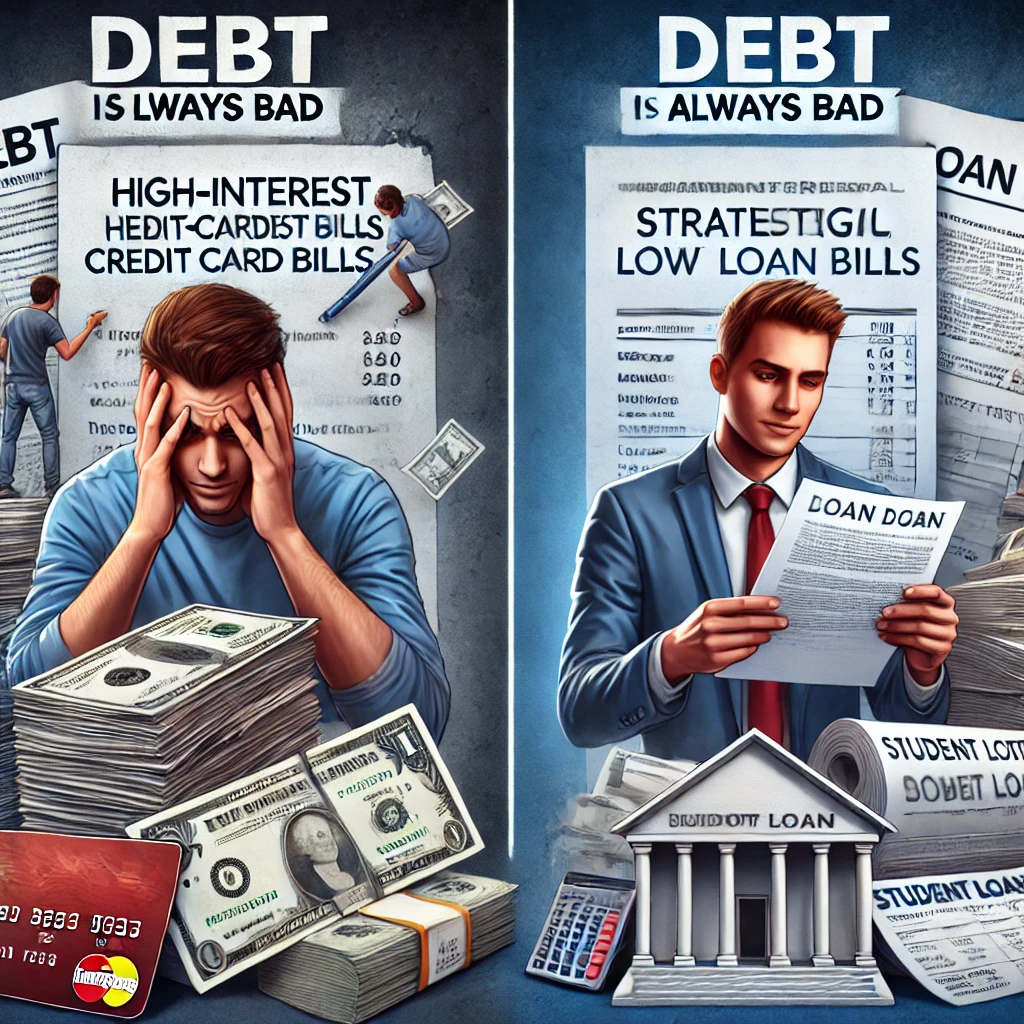
Debt often carries a negative connotation, linked to financial stress or excessive interest payments. Horror stories about mounting credit card bills or defaulted student loans reinforce the idea that all debt is harmful.
The Reality
Not all debt is created equal. High-interest debt (e.g., credit cards with 20%+ APR) can be disastrous if not managed. However, strategic or low-interest debt, like a mortgage or certain student loans, can be an investment in the future. A mortgage, for example, can help you build equity in property, potentially growing your net worth over time.
How to Break It:
- Differentiate Debt Types: Separate high-interest consumer debt from lower-interest, more strategic debt.
- Focus on Interest Rates: Consider consolidating high-interest debts or transferring balances to lower-interest options to accelerate repayment.
- Prioritize Debt Payoff Strategies: Methods like the debt avalanche (tackling the highest interest rates first) or the debt snowball (eliminating the smallest balances first) help you systematically reduce debt.
Myth 5: “Credit Cards Are Evil”

Why This Myth Persists
Credit cards can lead to substantial debt if you only make minimum payments or rack up balances you can’t afford. High interest rates reinforce the belief that credit cards are simply vehicles for financial ruin.
The Reality
Credit cards are a tool. When used responsibly, by paying off the balance in full each month, they can be powerful. They help you build credit, offer purchase protections, and provide rewards or cashback.
How to Break It:
- Pay in Full: Avoid interest by paying off your entire balance each month. For more details on best practices, visit The Balance.
- Leverage Rewards: Look for cards offering benefits that align with your spending habits, like travel rewards or cashback on groceries.
- Monitor Your Credit Score: Regularly check your credit report to ensure your responsible card usage translates into a solid credit score.
Myth 6: “Financial Planning Is Only for the Wealthy”

Why This Myth Persists
Some people equate financial planners or advisors with the super-rich. They assume fees are high and that financial planning doesn’t make sense without significant assets.
The Reality
Financial planning can start at any income level. A solid plan helps you tackle debt, invest consistently, prepare for retirement, and handle unexpected costs. There are also affordable options like robo-advisors, fee-only planners, or even community-based financial counseling services.
How to Break It:
- Explore Low-Cost Options: Robo-advisors and apps often have low (or no) minimums.
- Consult Nonprofits: Some nonprofits and community organizations provide free or low-cost financial counseling. The Consumer Financial Protection Bureau lists resources to get started.
- Focus on the Big Picture: Even if you have limited funds, a plan for managing money, budgeting, and retirement can prevent costly mistakes later.
Myth 7: “I Have to Be Perfect With Money”
Why This Myth Persists
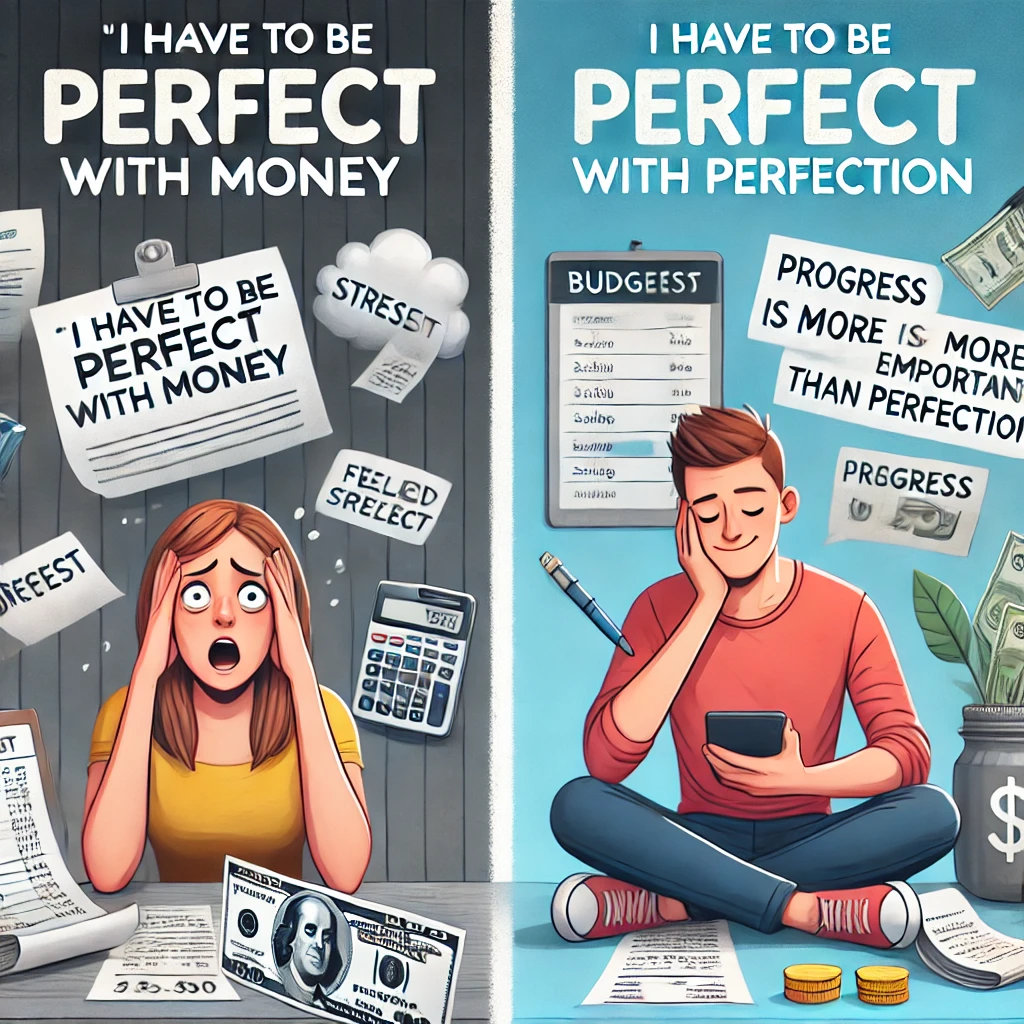
The narrative of ‘financial perfection’ comes from advice that suggests every penny must be optimized. Small mistakes, like impulse purchases or missed savings goals, can lead to shame or guilt.
The Reality
Nobody’s perfect, and that’s okay. Personal finance is about progress, not perfection. Even the most disciplined savers slip up from time to time. Achieving financial well-being is about consistently making better choices, learning from mistakes, and continually adapting your strategies.
How to Break It:
- Give Yourself Grace: Recognize that mistakes are learning opportunities.
- Automate Where Possible: Automating bills and savings reduces the chance for human error.
- Reevaluate Goals: Life changes. Your financial plan should adapt accordingly. Regularly review and modify your targets.
Myth 8: “Renting Is Just Throwing Money Away”
Why This Myth Persists
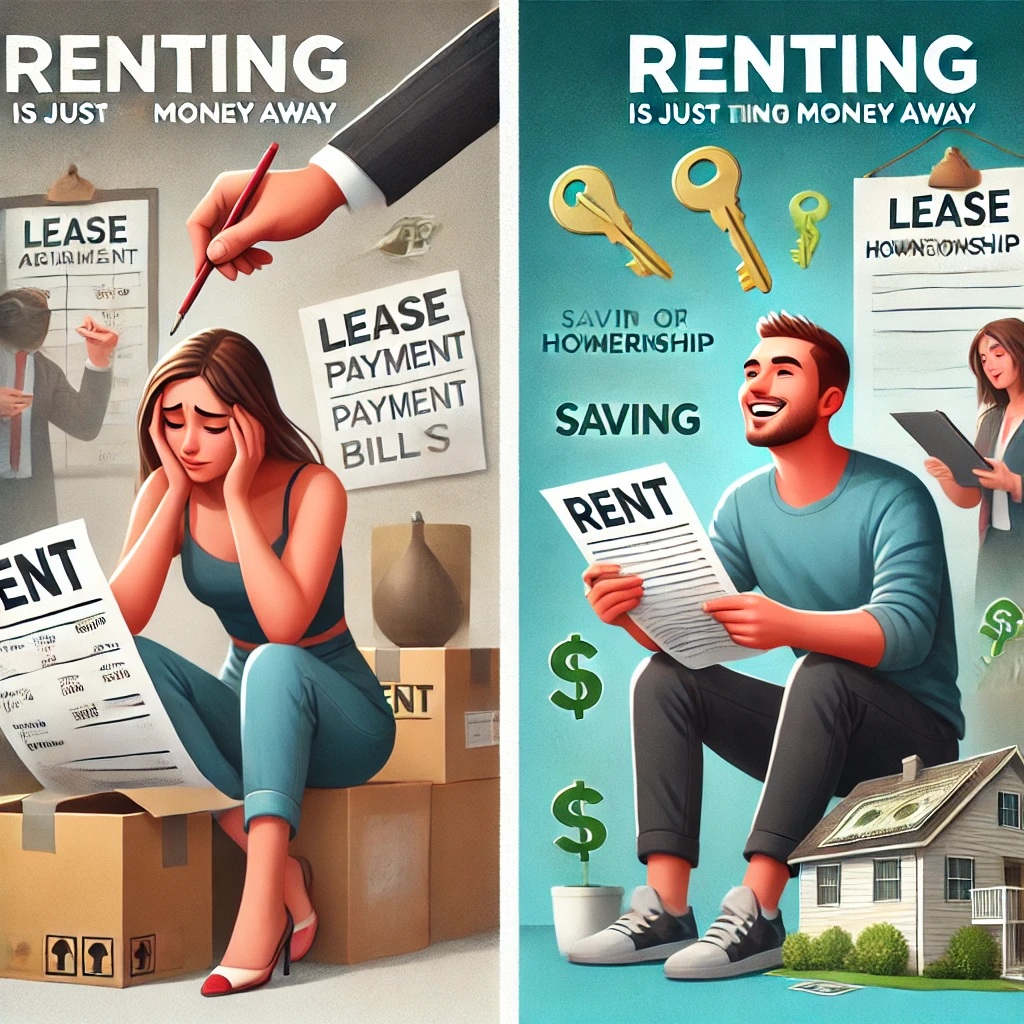
The idea that buying a home is the ultimate American Dream leads many to dismiss renting as lost money. Homeownership, in theory, builds equity, while rent does not.
The Reality
Renting offers flexibility, valuable if you move frequently, anticipate changing jobs, or aren’t ready for the responsibilities of homeownership. There are also significant costs associated with buying, such as closing fees, property taxes, insurance, and maintenance. In some cases, renting might be the more financially sound option if you’re not planning to stay in one place long enough to offset those costs.
According to the Federal Reserve, housing market conditions (such as regional price fluctuations and interest rates) play a major role in whether renting or buying makes better financial sense.
How to Break It:
- Conduct a Rent vs. Buy Analysis: Factor in interest rates, expected length of stay, and local market conditions.
- Calculate Total Costs: Include maintenance, insurance, and potential homeowners association (HOA) fees if you’re thinking about buying.
- Prioritize Flexibility: If your career or personal situation is in flux, renting can prevent you from being locked into a long-term mortgage.
Myth 9: “All That Matters Is Your Salary”

Why This Myth Persists
Many focus primarily on gross income when measuring success. The narrative is that a high salary translates to immediate and lasting wealth, regardless of other financial factors.
The Reality
While income is important, how you manage that income often matters more. Someone earning $250,000 a year who spends most of it could be worse off financially than someone earning $70,000 with disciplined savings and investing.
How to Break It:
- Compare Net Worth, Not Just Income: Track your assets (cash, investments, property) minus liabilities (debts, loans).
- Negotiate Perks and Benefits: Employer-provided healthcare, retirement matches, and other perks can be as valuable as salary increases.
- Focus on Lifestyle Balance: Earning more often means working longer hours or taking on more stress. Ensure your financial strategy also supports a healthy work-life balance.
Myth 10: “Money Can’t Buy Happiness”

Why This Myth Persists
We’ve all heard the saying: “Money can’t buy happiness.” It suggests that wealth is irrelevant to emotional well-being or personal fulfillment.
The Reality
While it’s true that money alone doesn’t guarantee happiness, financial security reduces stress and creates options. When you’re not constantly worried about bills, you can focus on personal growth, relationships, or experiences that contribute to happiness. In addition, using money intentionally, on meaningful experiences or charitable giving, can provide a sense of purpose and joy.
A feature in Forbes explores how mindful spending on experiences tends to bring more lasting fulfillment than buying material items.
How to Break It:
- Aim for Financial Security: Build emergency funds and plan for retirement to alleviate money-related stress.
- Spend on Experiences: Research shows that spending on experiences often brings more lasting happiness than material purchases.
- Give Back: Donating time or money to causes you care about can increase your sense of purpose and connectedness.
Common Money Myths vs. Reality (Table)
Below is a quick reference table summarizing some of the myths covered:
| Myth | Reality |
|---|---|
| Earning more equals saving more | Lifestyle inflation can wipe out gains; a strategic plan is necessary to build savings. |
| Budgeting is too restrictive | A budget simply aligns spending with priorities, offering freedom within structure. |
| Only the wealthy can invest | Investing is accessible to anyone through fractional shares and low-cost platforms. |
| Debt is always bad | Not all debt is harmful; low-interest, strategic debt can help build long-term wealth. |
| Credit cards are evil | When used responsibly (paid in full), credit cards offer rewards and build credit history. |
| Financial planning is only for the rich | Everyone, regardless of income, can benefit from a solid financial plan. |
| You must be perfect with money | Occasional slip-ups are normal; consistency and learning from mistakes matter more. |
| Renting is throwing money away | Renting can be more flexible and cost-effective, depending on lifestyle and market conditions. |
| Salary is everything | Net worth, saving rates, and overall benefits often matter more than just gross income. |
| Money can’t buy happiness | Financial security and intentional spending can reduce stress and support meaningful life choices. |
Conclusion
Money myths persist for many reasons: traditional beliefs passed down through generations, sensational media stories, or confusion about what truly drives financial success. Whatever their origin, these misconceptions can delay or derail your progress toward a stable, prosperous future.
By debunking these myths, you enable yourself to make better decisions about saving, investing, and spending. You also free yourself from guilt, confusion, or doubt, negative emotions that can sabotage your financial journey. Armed with accurate information, you can build a financial plan that prioritizes your goals, protects your interests, and ultimately helps you lead a more fulfilling life.