 Wealthy Pot
Investing Basics
VYM vs SCHD: Two Roads to Dividend Income
VYM vs SCHD, primary-sourced: Vanguard's broad high-yield fund vs Schwab's quality-screened 100-stock fund on yield, diversification, and fit.
Every guide on the site, newest first. Prefer a topic? Browse by topic.
VYM vs SCHD, primary-sourced: Vanguard's broad high-yield fund vs Schwab's quality-screened 100-stock fund on yield, diversification, and fit.

SPY vs VOO, primary-sourced: fees, UIT vs open-end structure, liquidity, the misleading return charts, and which S&P 500 ETF fits holders vs traders.

The seven 2026 federal tax brackets: 10%, 12%, 22%, 24%, 32%, 35%, 37%. IRS tax tables by filing status, the new standard deduction, and a calculator.

The new 'no tax on overtime' deduction explained: who qualifies, the $12,500/$25,000 caps, why only the premium 'half' counts, the income phase-out, and why payroll tax still applies. Plus a free calculator to estimate your savings.

The 'no tax on tips' deduction, explained clearly: the $25,000 cap, which workers qualify, the income phase-out, and why you still owe Social Security and Medicare tax on your tips. Includes a free calculator to estimate your savings.
The 2026 Social Security COLA is 2.8%. See what your new benefit will be, the new $184,500 wage base, 2026 earnings-test limits, and the max and average benefits, all from official SSA figures. Includes a free COLA calculator.

A 15-year mortgage can save six figures in interest, but the higher payment isn't free. The honest 2026 breakdown: real interest and payment math at today's rates, the invest-the-difference counter-argument, and a free calculator.

Renting isn't 'throwing money away,' and buying isn't automatically smart. The honest 2026 breakdown: the real costs of owning, why how long you stay decides it, a buy-readiness checklist, and a free rent-vs-buy calculator.

Are bonds a good investment right now? A clear 2026 guide, what bonds pay today, the real risks (rate and inflation), the role they play in a portfolio, and how they compare to stocks.
Is a HELOC a good idea? An honest 2026 guide to home equity lines of credit, how they work, current rates, the real risks (your house is the collateral), when they make sense, and safer alternatives.

Is a Roth IRA worth it? A clear 2026 guide, tax-free growth, the new $7,500 contribution limit, income phase-outs, who benefits most, and when a traditional IRA wins instead. With a free calculator.
Is gap insurance worth it? A clear 2026 guide: what it actually covers, when it's smart, when to skip it, how much it should cost, and why buying it from the dealer can cost 3–5× more than your insurer.
Is real estate a good investment? An honest 2026 breakdown, how investors actually make money in property, the real risks and costs, how it compares to index funds, and the easier ways to get exposure.
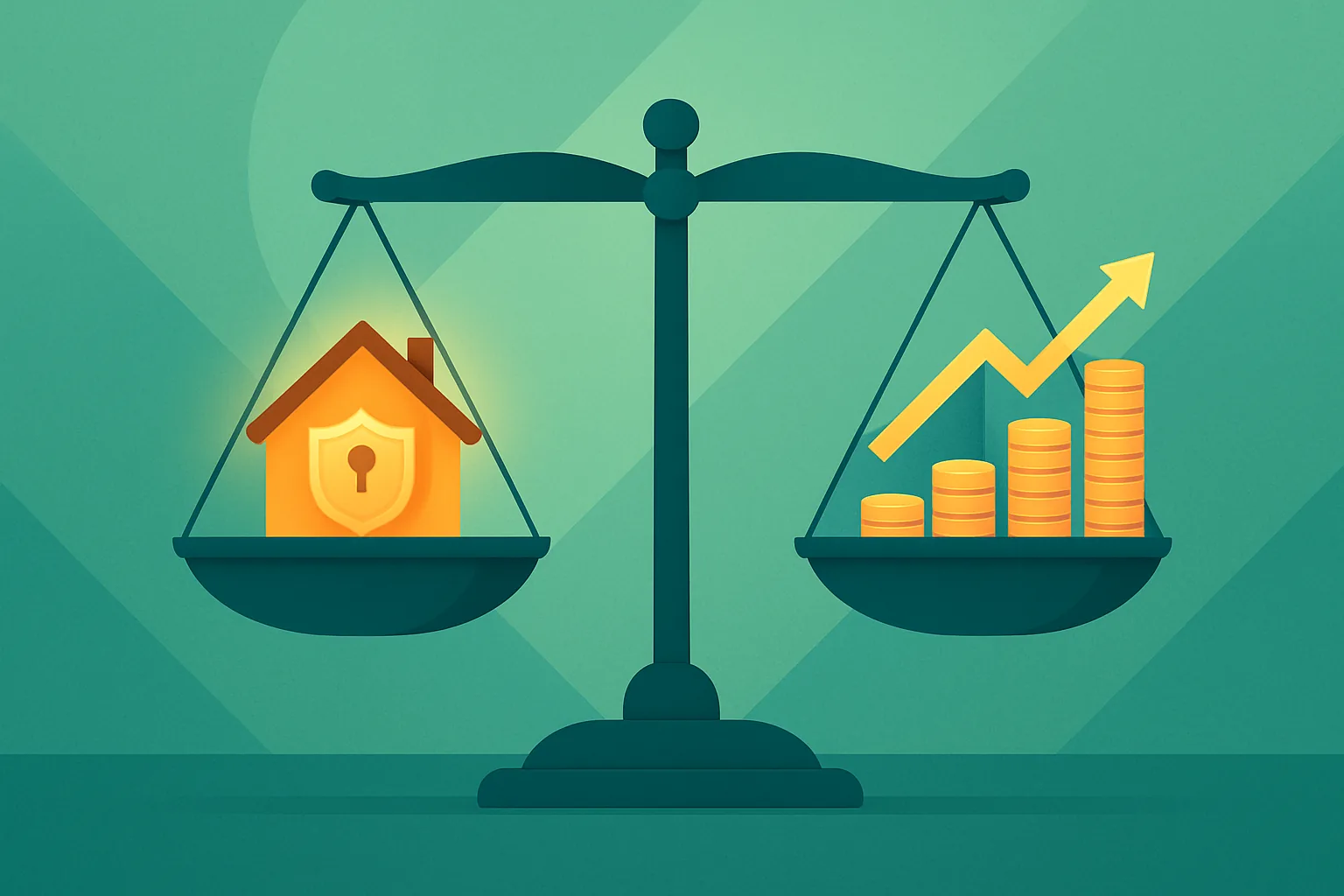
Should you pay down your mortgage early or invest the extra money? A clear, honest 2026 guide, the guaranteed-vs-expected-return math, the psychology of being debt-free, and a free calculator to run your own numbers.
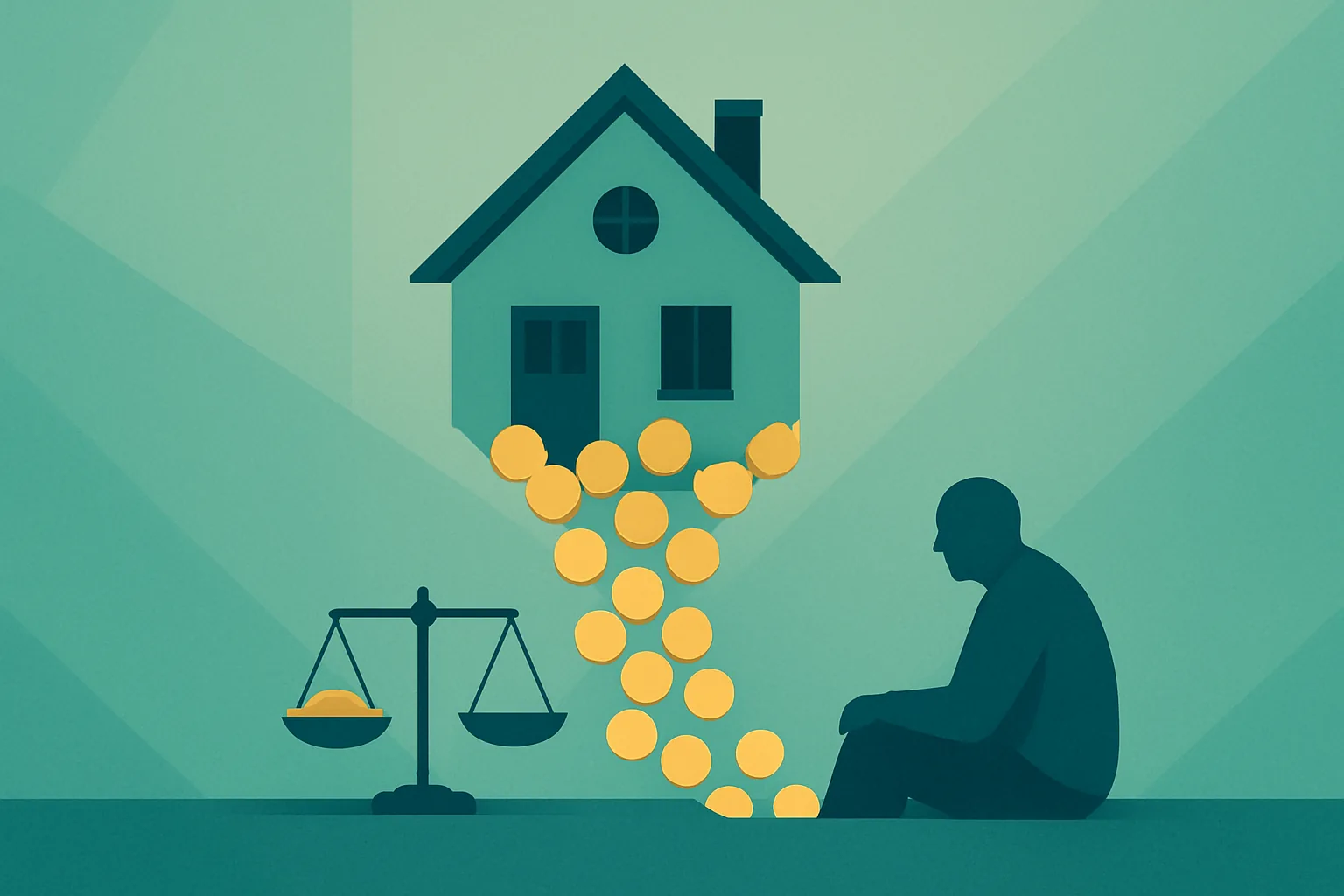
A clear, honest look at the pros and cons of a reverse mortgage in 2026, how a HECM works, what it costs, who it suits, and the traps that can cost you your home or your heirs' inheritance.

How to build an emergency fund quickly: how much you need (3 to 6 months), a $1,000 starter goal, a 5-step system, and saving on a tight budget or in debt.
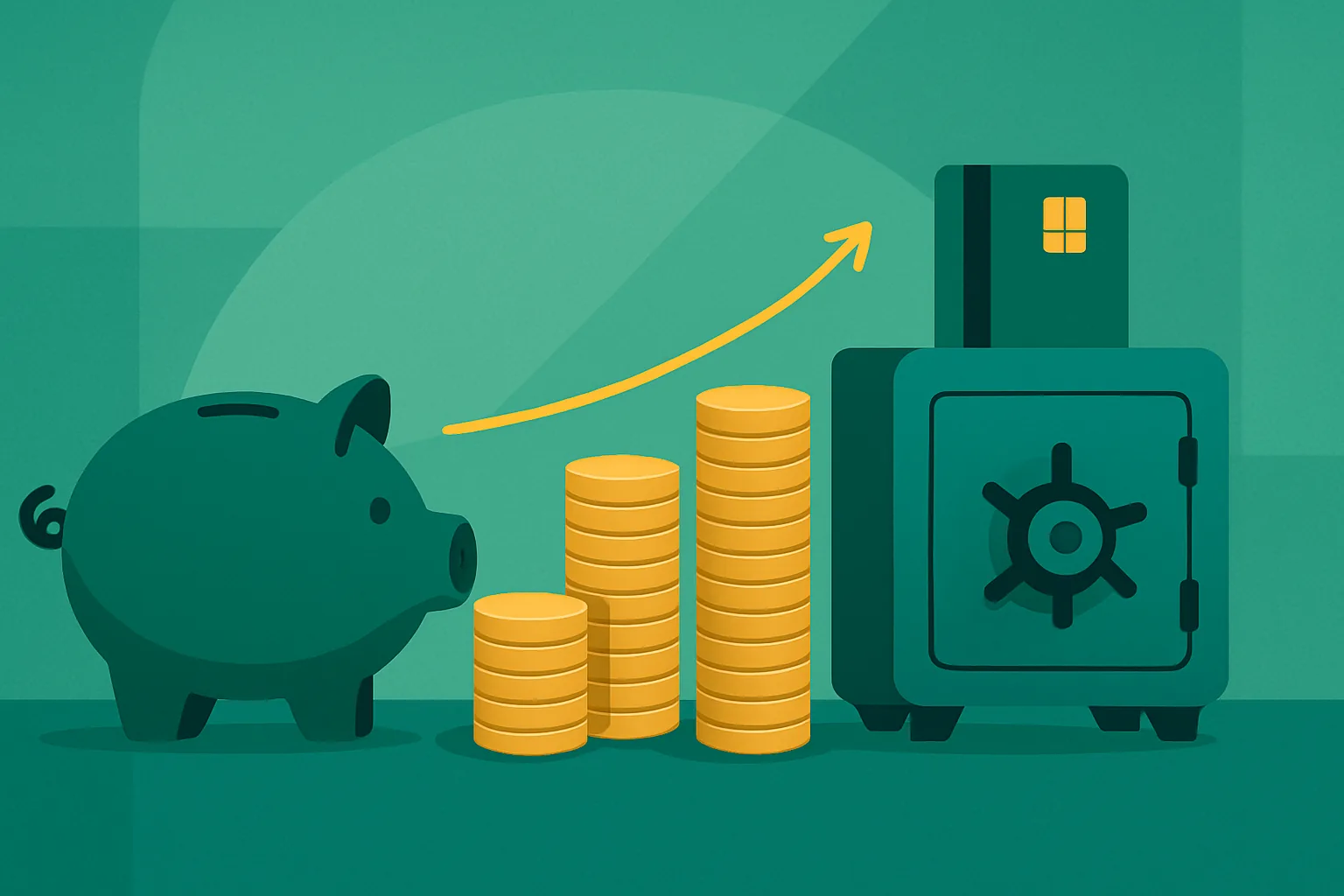
Differences between a money market account and a high-yield savings account (HYSA): rates, check-writing and debit access, minimums, FDIC/NCUA coverage, which to pick.

The average and median bank savings by age, straight from the Federal Reserve's 2025 Survey of Consumer Finances. See how much cash a typical household holds by age band, and why the median beats the average.

The average student loan debt by age, straight from Federal Student Aid's 2026 data. See the total $1.7 trillion federal portfolio, balances by age band, and why borrowers aged 50–61 owe the most.

The average credit card debt in 2026 by generation, from Experian and Federal Reserve data. See how your balance compares by age, plus how fast 22% APR grows and how to pay it down.
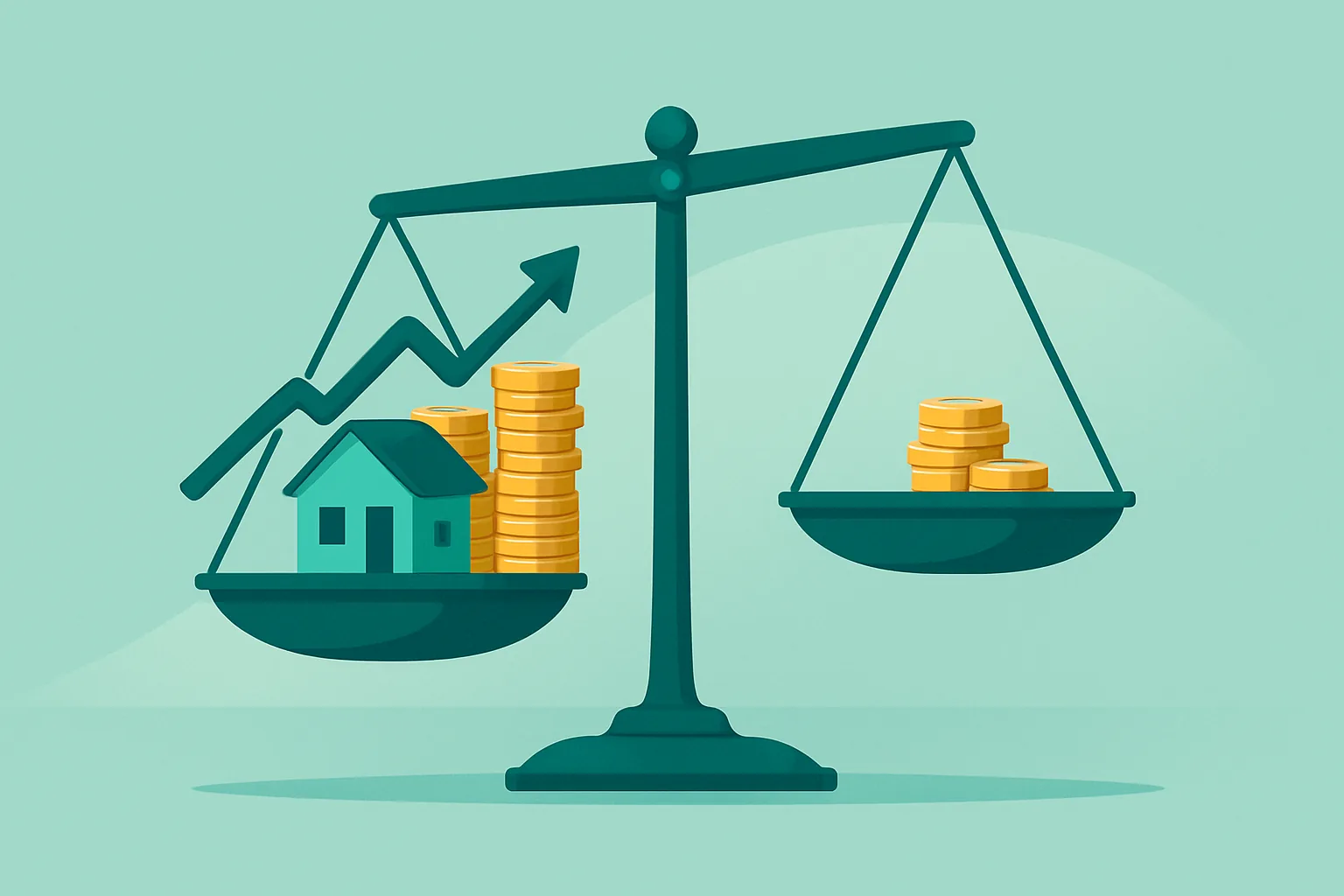
Median and average net worth by age from the Fed's 2025 Survey of Consumer Finances: $33,000 median under 35, $504,900 at 75 and older, and why the median matters more.

The average and median 401(k) balance by age from Vanguard's How America Saves 2026 (2025 data): $167,970 average, $44,115 median. Plus retirement savings by age across all accounts, and how much you should have.

How much is the average emergency fund in 2026? Primary-source data from the Federal Reserve, Bankrate and Empower, median savings by generation, who can cover a $400 or $1,000 emergency, and how you compare.

Is investing in the Nasdaq (QQQ) a smart move? The honest case for and against the Nasdaq-100, returns, tech concentration, the 83% drawdown history, and who it actually suits.
Press Esc to close · / to open